
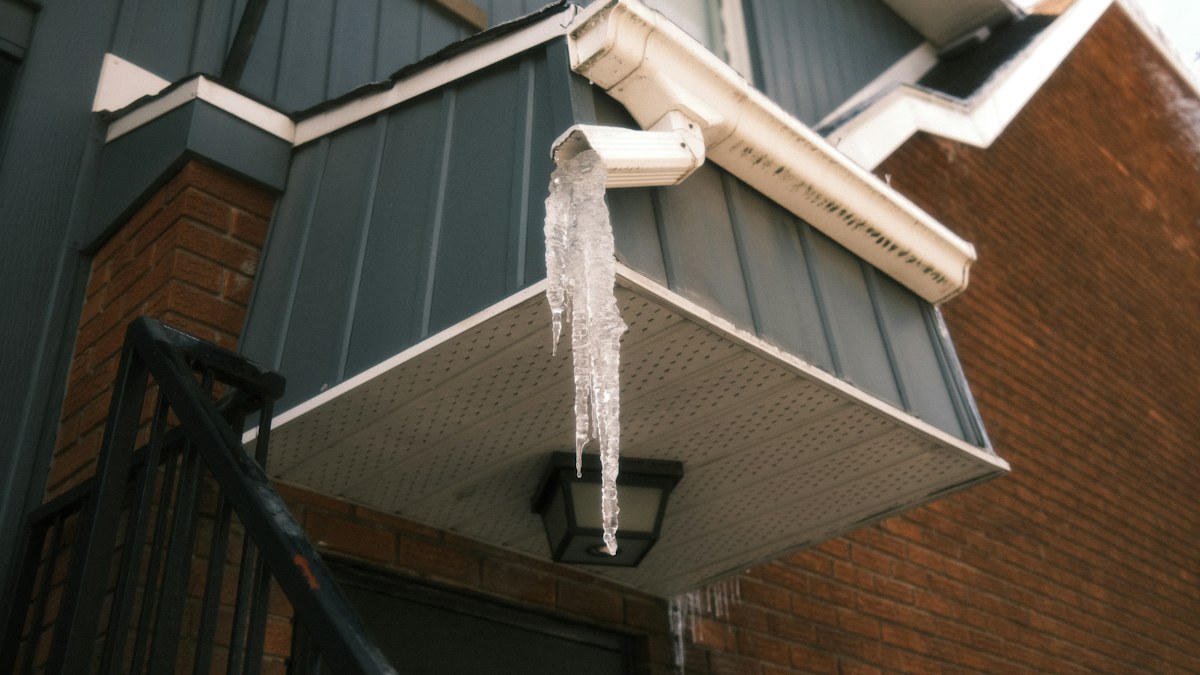
Few winter calls are as disruptive as a burst pipe. A single failed line above a ceiling can soak tenant spaces, ruin inventory, close a business for days and kick off a long insurance conversation. The good news is that most freeze damage is preventable with a little planning before the coldest nights arrive. Here is a practical plan for commercial property owners, HOA and condo boards, and property managers across Greater Philadelphia.
Know where your building is vulnerable
Start with a walkthrough focused only on water and cold. Pipes freeze where cold air meets unheated or poorly insulated space, so look for:
- Lines running along exterior walls, in crawl spaces, attics, parking garages, loading docks and stairwells.
- Fire sprinkler piping in unheated areas, including dry-pipe systems that may hold trapped water at low points.
- Hose bibs, irrigation lines and backflow preventers exposed to the weather.
- Areas near overhead doors, broken windows, open vents or gaps in the building envelope.
- Vacant units or suites where the heat has been turned down or shut off.
Mark each location on a simple floor plan. That map becomes your winter checklist and helps any vendor or staff member respond quickly.
Close the gaps and insulate
Cold air infiltration is often the real culprit. Seal gaps around pipe penetrations, weatherstrip doors to mechanical rooms, repair broken glass and make sure louvers and dampers close properly. Add foam pipe insulation to exposed lines in accessible areas. Where a line can’t be protected by insulation alone, ask a licensed plumber or electrician whether listed heat trace cable is appropriate, and have it installed and tested before the season.
Exterior hose bibs and irrigation systems should be shut off at the interior valve and drained. Irrigation lines are usually blown out by the landscape or irrigation vendor in the fall; confirm it was done and get it in writing.
Keep the heat on and monitored
Every space with water piping needs enough heat to stay above freezing, including vacant suites and common areas. A few habits help:
- Set a minimum temperature for vacant units and common spaces in your lease or rules and enforce it.
- Have your HVAC contractor service boilers, furnaces and unit heaters before the season and check that thermostats and controls work.
- Keep doors to mechanical rooms and sprinkler riser rooms closed, and keep those rooms heated.
- Consider low-cost wireless temperature and water-leak sensors in high-risk spots. Many send alerts to a phone so a manager knows about a problem before tenants do.
Protect the fire sprinkler system
Sprinkler systems deserve special attention because a frozen sprinkler line can both cause water damage and leave a building without fire protection. Work with your licensed fire protection contractor to confirm that wet-pipe systems are only in heated areas, that dry-pipe systems have had their low points (auxiliary drains) drained, and that the required inspections are current. Never let anyone shut down a sprinkler system to prevent freezing without involving your fire protection contractor and following the notification steps they and the local fire authority require.
Write a cold-snap playbook
When a hard freeze is in the forecast, your team should not be figuring things out on the fly. A one-page playbook should cover:
- Who checks the building, which locations on your vulnerability map they check, and how often.
- When to open cabinet doors under sinks on exterior walls and when to let a vulnerable faucet drip.
- Contact numbers for your plumber, HVAC contractor, fire protection contractor and water mitigation company, with after-hours options.
- How to notify tenants or owners, including reminders to keep their heat on and report cold spots.
Make sure everyone knows where the shutoffs are
When a pipe does fail, minutes matter. Label the main water shutoff and the branch valves for each floor or unit, keep a key to any locked valve rooms where staff can get it, and exercise the valves so they actually turn when needed. Share the locations with your maintenance team and after-hours vendors, and keep photos in your property management software so anyone on call can find them.
Clarify responsibilities and review insurance
In a commercial lease or a condominium, who pays for freeze damage often depends on where the pipe was, what caused the failure and what the governing documents say. Before winter, review your leases, declaration and bylaws, and confirm who maintains which pipes and fixtures. Then sit down with your insurance agent to review your coverage, deductibles and any conditions, such as requirements to maintain heat in vacant spaces. Your attorney and agent are the right people to interpret those documents; your job is to make sure the questions get asked before a claim, not after.
If a pipe bursts
Shut off the water, call your plumber, and bring in a water mitigation company quickly to start drying. Take photos and video of the damage and the failed pipe, save the damaged section if possible, notify affected tenants or owners, and contact your insurance carrier promptly. Keep receipts and a log of every action taken.
Key takeaways
- Map every pipe in an unheated or exterior location and use the map as your winter checklist.
- Seal air leaks, insulate exposed lines and drain hose bibs and irrigation before the first hard freeze.
- Keep heat on in every space with piping, including vacant units, and consider temperature and leak sensors.
- Have your licensed fire protection contractor prepare sprinkler systems for winter.
- Write a cold-snap playbook and make sure shutoff valves are labeled, accessible and working.
- Review leases, governing documents and insurance coverage now so responsibilities are clear.
Get ahead of winter
Frozen pipes are one of the most avoidable winter headaches for commercial buildings and associations. A few hours of preparation now can save weeks of repairs and frustrated tenants later. If you would like help building a winter plan for your property, contact Quinn & Wilson / CommercialPMPA. And if you want an easier way to track inspections, vendors and shutoff locations, try Bysania property management software.