
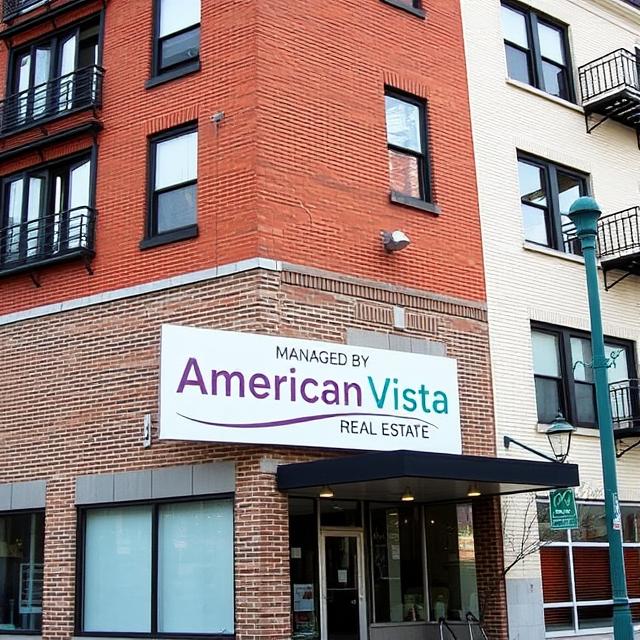
Greater Philadelphia’s Mixed-Use Marvel: Why Professional Management is Key
Greater Philadelphia, a region steeped in history and buzzing with modern energy, is witnessing a dynamic evolution in its real estate landscape: the rise of the mixed-use development. These vibrant hubs, seamlessly blending residential, commercial, and sometimes even light industrial spaces, are reshaping neighborhoods and offering a compelling vision for the future of urban and suburban living. However, the very complexity that makes them attractive also underscores the critical need for professional property management to ensure their long-term success.
The Allure of the Mixed-Use Model in the Philadelphia Region:
From the revitalized riverfront districts of Philadelphia proper to the burgeoning town centers in the surrounding counties, mixed-use developments are gaining traction for a multitude of reasons:
- Enhanced Walkability and Convenience: Residents and patrons benefit from having essential services, retail options, and leisure activities within easy reach, reducing reliance on cars and fostering a stronger sense of community.
- Diversified Revenue Streams: For developers and owners, the combination of residential rents, commercial leases, and potentially income from amenities creates a more resilient financial model, less susceptible to fluctuations in a single sector.
- Vibrant Placemaking: The intentional mix of uses creates lively and engaging environments that attract residents, businesses, and visitors alike, fostering a unique sense of place.
- Smart Growth Principles: Mixed-use developments promote efficient land use, reduce sprawl, and contribute to more sustainable and interconnected communities.
- Attracting Diverse Demographics: These developments appeal to a wide range of individuals and businesses seeking a dynamic and convenient lifestyle or operating environment.
Navigating Complexity: The Indispensable Role of Professional Property Management:
While the potential benefits of mixed-use properties are significant, their inherent complexity demands a sophisticated management approach. Unlike traditional single-use buildings, mixed-use developments present a unique set of challenges that a professional property management company is ideally equipped to handle:
- Diverse Tenant Management: Managing residential tenants with their individual needs and expectations differs significantly from managing commercial tenants with varying business hours, delivery requirements, and customer traffic. A skilled management team can navigate these diverse relationships effectively, ensuring harmonious co-existence.
- Complex Lease Agreements: Commercial leases are often intricate, with clauses regarding operating expenses, common area maintenance (CAM) charges, and specific use restrictions. Professional managers possess the expertise to draft, interpret, and enforce these agreements, protecting the owner’s interests.
- Shared Infrastructure and Amenities: Mixed-use properties often feature shared amenities like parking garages, loading docks, green spaces, and communal areas. Coordinating the maintenance, security, and upkeep of these shared resources requires meticulous planning and execution.
- Operational Synergies and Conflicts: Managing the operational needs of different uses – for example, residential noise levels versus commercial delivery schedules – requires proactive communication and conflict resolution skills. A professional manager acts as a crucial liaison, ensuring smooth operations for all stakeholders.
- Financial Management and Reporting: Consolidating and reporting on the financial performance of diverse income streams requires robust accounting systems and expertise. Property management companies provide transparent financial reporting, budgeting, and expense management tailored to the complexities of mixed-use assets.
- Marketing and Leasing Expertise: Attracting the right mix of residential and commercial tenants requires targeted marketing strategies and a deep understanding of both the residential and commercial real estate markets in the Greater Philadelphia region.
- Compliance and Regulations: Mixed-use properties must adhere to a variety of zoning regulations, building codes, and safety standards. Professional managers ensure compliance, mitigating potential legal and financial risks.
Choosing the Right Management Partner:
For owners and developers of mixed-use properties in Greater Philadelphia, selecting the right property management company is not just an operational necessity, but a strategic decision. Look for a partner with:
- Experience in Managing Mixed-Use Assets: Prior experience is invaluable in navigating the unique challenges of this property type.
- Strong Communication and Interpersonal Skills: Effective communication with diverse tenants and stakeholders is paramount.
- Robust Financial Management Capabilities: Accurate accounting, budgeting, and reporting are essential for maximizing profitability.
- Knowledge of the Local Philadelphia Market: Understanding the specific nuances of the regional real estate landscape is crucial for effective marketing and leasing.
- A Proactive and Problem-Solving Approach: The ability to anticipate and address potential issues before they escalate is key to smooth operations.
Conclusion:
Mixed-use developments represent a promising and exciting future for the Greater Philadelphia region, fostering vibrant, convenient, and sustainable communities. However, realizing the full potential of these complex assets hinges on effective and professional property management. By entrusting their mixed-use marvels to experienced management companies, owners and developers can ensure seamless operations, maximize returns, and contribute to the continued growth and vitality of the Philadelphia metropolitan area.