
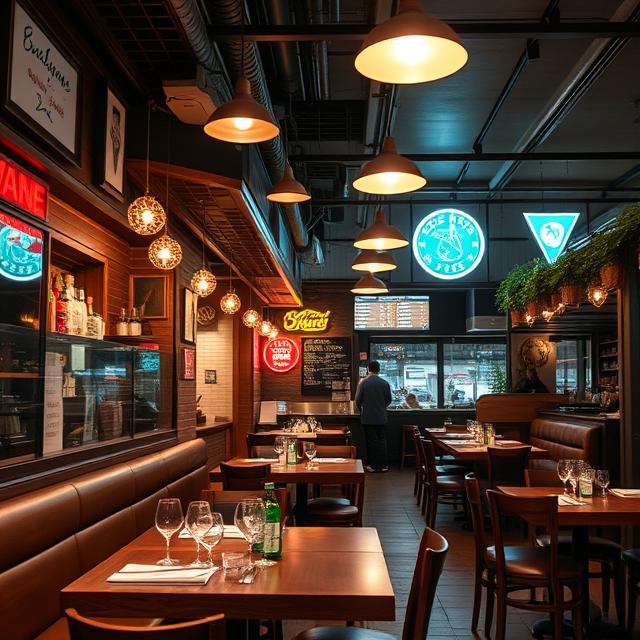
How to Open a Restaurant in Philadelphia, Pennsylvania
Opening a restaurant in Philadelphia is an exciting venture—but it’s also a complex process that requires navigating both state and city regulations. From forming your business entity to passing final inspections, this step-by-step guide outlines every critical milestone to help you launch legally, safely, and successfully.
Phase 1 — Business & Financial Foundation
Before signing a lease or hiring staff, lay the groundwork for your business’s legal and financial structure.
Choose Your Legal Entity
- Options: LLC, S-Corp, C-Corp, Partnership, or Sole Proprietorship
- Considerations: Liability protection, tax treatment, investor requirements, and operational flexibility
- Tip: Consult a business attorney or CPA to align your structure with long-term goals
Obtain a Federal EIN
Required for payroll, banking, and tax filings. Apply online via the IRS EIN portal.
Register with the Commonwealth of Pennsylvania
- Sales Tax License: Apply through myPATH portal
- Employer Accounts: Set up for Workers’ Compensation, Unemployment Compensation, and New Hire Reporting
Create a Business Plan & Financial Model
Include startup costs, operating expenses, revenue projections, and break-even analysis. Consider funding options like PIDC or Kiva Philadelphia.
Phase 2 — Location & Plan Approval
Your physical space must meet zoning, health, and safety standards before construction begins.
Zoning & Use Registration
Confirm zoning via the Philadelphia Zoning Map and apply through the eCLIPSE portal.
Health Department Plan Review
- Submit floor plans, equipment specs, and menu
- Allow 30 business days for review
State Retail Food Facility License
Submit plans to the Pennsylvania Department of Agriculture. Approval typically takes 4–6 weeks.
Phase 3 — City Registration & Core Permits
Once your plans are approved, register your business with the City of Philadelphia.
Commercial Activity License (CAL)
Apply via eCLIPSE or in person at 1401 JFK Blvd.
Business Income & Receipts Tax (BIRT)
Register at the Philadelphia Tax Center.
Additional Registrations
- Wage Tax Account
- Use & Occupancy Tax
Phase 4 — Construction & Inspections
With approvals in hand, begin your build-out and prepare for inspections.
Construction Permits
Secure permits for building, electrical, plumbing, and mechanical work through L&I.
Required Systems
- Grease Trap/Interceptor: Must meet Philadelphia Water Department standards
- Fire Suppression System: UL 300–compliant hood system required and inspected annually
Final Inspections & Certificate of Occupancy (CO)
Schedule inspections with L&I and the Department of Public Health. Once approved, L&I issues your CO.
Phase 5 — Final Licensing & Staffing
With your facility ready, secure operating licenses and onboard your team.
Philadelphia Food License
Apply for a Food Preparation and Serving License after passing final inspection.
Food Safety Certification
At least one manager must complete an approved course such as ServSafe Manager Certification.
(Optional) Liquor License & RAMP Training
- Apply via the PLCB
- Licenses may need to be purchased or transferred due to quota system
- All alcohol-serving staff must complete RAMP training
Labor Compliance
- Post required workplace notices
- Comply with minimum wage, paid sick leave, and Fair Workweek laws
- Details at the Philadelphia Department of Labor
Phase 6 — Ongoing Operational Compliance
Stay compliant post-launch to avoid fines and maintain good standing.
ADA Accessibility
Ensure entrances, restrooms, and seating meet ADA standards.
Signage
Apply for a Sign Permit before installing exterior signs.
Waste & Recycling
Maintain a Commercial Solid Waste and Recycling Plan and keep disposal records.
Annual Renewals
- Fire suppression system inspections
- Health license renewals
- Food safety certification updates
Restaurant Launch Checklist
| Task | Status |
|---|---|
| Form business entity and secure EIN | ☐ |
| Register sales tax and employer accounts | ☐ |
| Verify zoning and submit plan reviews | ☐ |
| Apply for CAL and BIRT registrations | ☐ |
| Obtain construction permits and install systems | ☐ |
| Pass inspections and receive CO | ☐ |
| Apply for Food License and complete certification | ☐ |
| (Optional) Secure liquor license and complete RAMP | ☐ |
| Comply with labor, ADA, and waste regulations | ☐ |
| Schedule annual safety and health renewals | ☐ |
Final Thoughts
Opening a restaurant in Philadelphia is a rewarding journey—but it demands careful planning, regulatory navigation, and ongoing compliance. By following this roadmap, you’ll avoid costly delays and set your business up for long-term success.
If you’d like help drafting a business plan, designing your kitchen layout, or preparing for inspections, I’d be happy to assist!