Offer Support Analysis
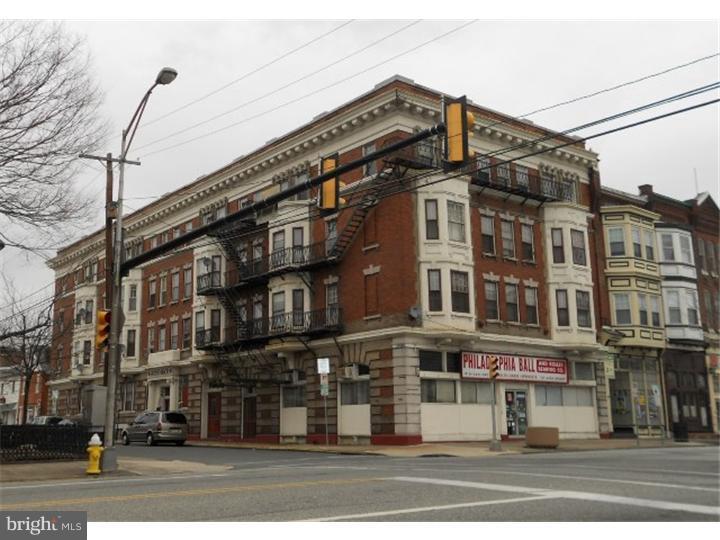
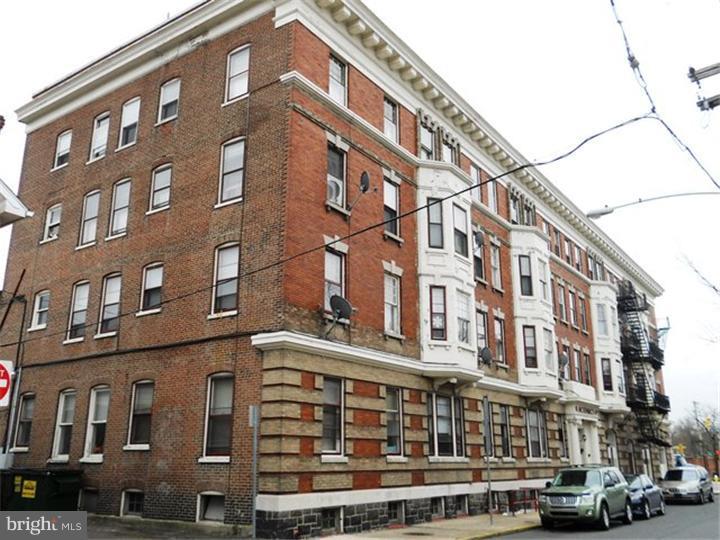
$1,890,000 Offer for 101 East High Street, Pottstown, PA 19464
23-Unit Mixed-Use Building • March 2026
Starting Point
The current listing markets the property at $2,800,000 and cites a projected 7.58% Year 1 cap rate. That pricing reflects the seller’s forward-looking, post-renovation value thesis rather than the value of the property in its current partially completed condition.
Pro-Forma Reality Check
| Metric | Current | Year 1 Pro-Forma | Notes |
|---|---|---|---|
| Gross Scheduled Income | $298,000 | $332,000 | Assumes meaningful rent growth |
| Vacancy | ($14,900) | ($16,600) | Modeled at 5% |
| Effective Gross Income | $283,100 | $315,400 | |
| Operating Expenses | ($107,578) | ($103,160) | Assumes ~38% expense ratio |
| Net Operating Income | $175,522 | $212,240 | NOI increase required: $36,718 |
| Cap Rate at $2.8M | 6.27% | 7.58% | Math checks |
To reach the listing’s projected cap rate, the business plan must create about $3,060 per month of additional NOI. That is achievable only if renovations are completed efficiently, rents are pushed successfully, and expenses remain unusually tight for a building of this age and type.
Value-Add Reality
The residential upside is plausible, but not guaranteed. Public rental sources show 1-bedroom rents in Pottstown generally around the $1,250 to $1,280 range, with downtown examples spanning lower and higher depending on finish level and location. That means the rent-growth story is directionally supportable, but it still depends on actual unit condition and execution.
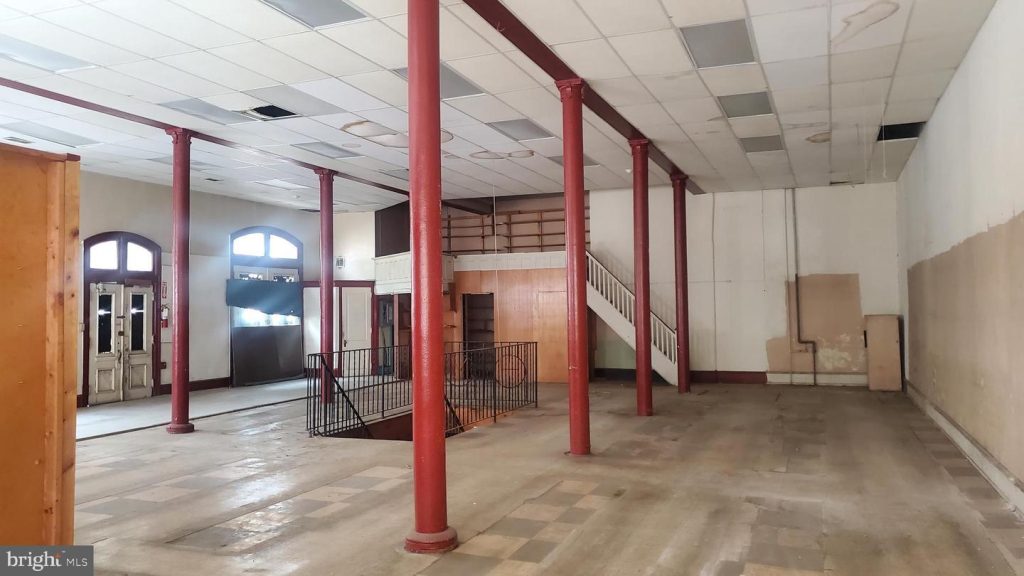
The commercial component may also help close the NOI gap if it is under-rented today. Public lease data suggests Pottstown retail often falls around $14/SF, with visible listings in roughly the $12–$18/SF band.
Expense Sensitivity
At the pro-forma Effective Gross Income of $315,400, a 38% expense ratio produces the listing’s projected NOI of approximately $212,240. But if actual expenses rise to 45%, stabilized NOI falls to approximately $173,470.
| Scenario | Expense Ratio | NOI | Cap Rate at $2.8M |
|---|---|---|---|
| Listing Pro-Forma | 38% | $212,240 | 7.58% |
| Higher Realistic Expense Case | 45% | $173,470 | 6.20% |
This is the biggest underwriting risk in the deal.
Deductions from Stabilized Value
Because $2.8M reflects future stabilized value, a buyer should deduct the costs and risks still required to reach that number.
| Adjustment | Amount | Reasoning |
|---|---|---|
| Remaining unit renovations | $610,000 | Remaining interior work required to support projected rents, including turns, finish upgrades, and rent-ready improvements. |
| Elevator modernization / completion | $140,000 | Updated allowance for remaining elevator work, modernization, code and safety compliance, and vendor completion costs. |
| Contingency / hidden conditions | $100,000 | Reserve for concealed conditions, change orders, and additional capital needs typical in an older mixed-use asset. |
| Lease-up / carry / execution risk | $60,000 | Covers timing risk, vacancy drag, delayed rent achievement, and stabilization uncertainty. |
| Total Deductions | $910,000 | |
| Indicated Offer | $1,890,000 | $2,800,000 – $910,000 = $1,890,000 |
Investment Verdict
The current asking price effectively asks the buyer to pay for the future stabilized value today. That can work only if renovation costs stay contained, rents are achieved quickly, and the expense ratio remains unusually efficient.
Note: avoid describing this as an “Amtrak 1-minute walk” or a confirmed “Opportunity Zone” deal unless those points are verified specifically for this parcel.