
🏙️ The Investor’s Guide to Commercial Real Estate in Philadelphia (2025–2026)
Philadelphia continues to solidify its reputation as a top-tier market for commercial real estate (CRE) investment. Its potent combination of economic drivers—anchored by world-class universities and healthcare systems (“eds and meds”)—a strategic location in the Acela corridor, and relative affordability compared to New York City and Washington D.C., creates a compelling case for investors.
Fueled by a growing population of young professionals, a burgeoning life sciences sector, and strong demand for modern living spaces, the Philly market offers diverse opportunities. However, navigating its unique landscape requires a clear understanding of current trends and micro-markets.
2025 Market Snapshot: Key Sectors
The Philadelphia CRE market is not uniform; different sectors are telling different stories. Here’s a breakdown of the primary areas of activity.
🏢 Multifamily Momentum
This remains the darling of the Philadelphia market. Early 2025 data showed a significant (over 100%) year-over-year jump in multifamily investment volume.
Key Drivers:
Strong, persistent rental demand from students, healthcare workers, and tech professionals.
Hot Trends:
- Adaptive Reuse: The conversion of historic Center City office buildings, old schools, and warehouses into luxury apartments continues to be a popular and profitable strategy.
- New Construction: Ground-up development is strong in neighborhoods like Fishtown and South Kensington, catering to renters seeking modern amenities.
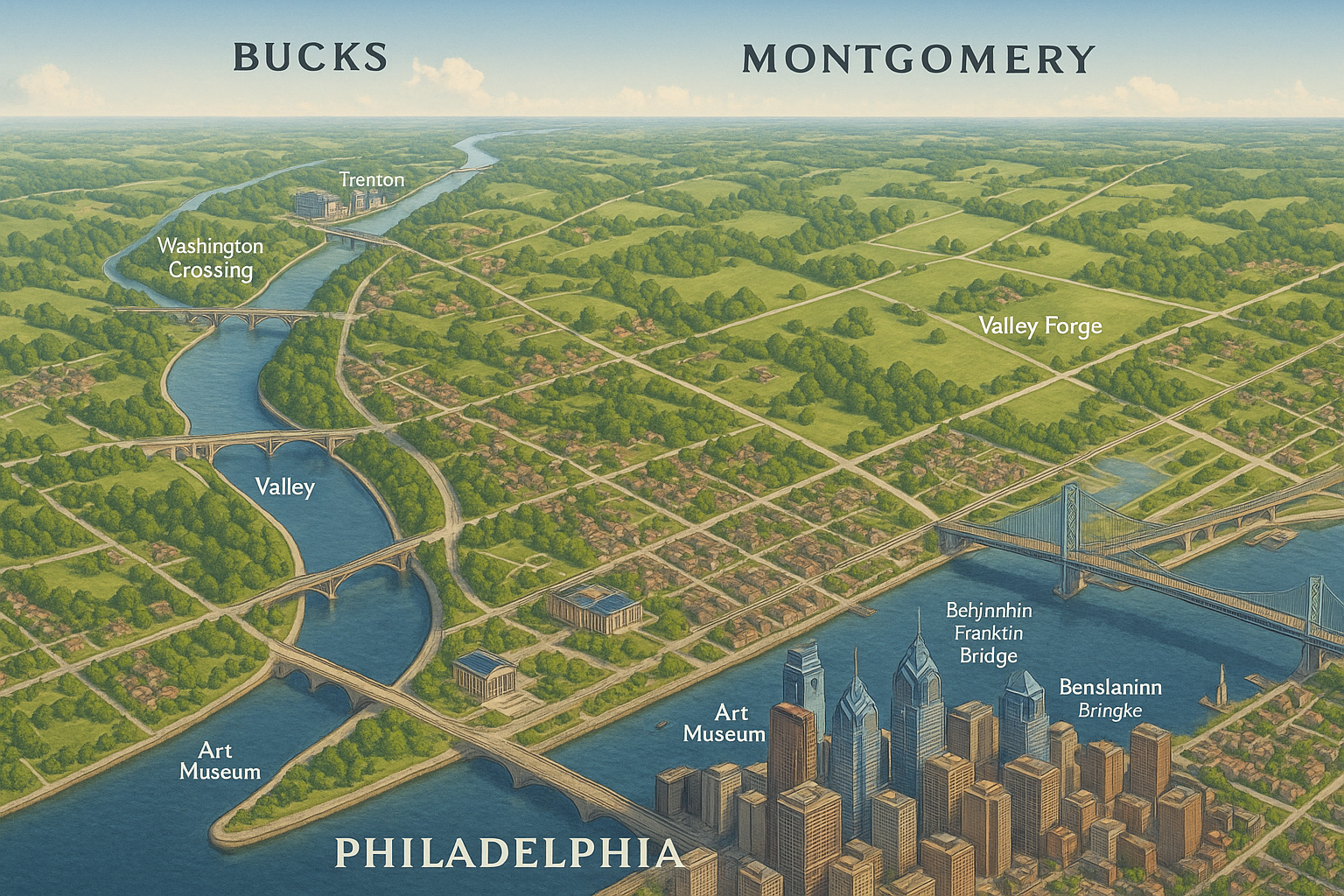
- Suburban Strength: Surrounding counties like Montgomery and Bucks are also seeing intense demand, appealing to those seeking more space with access to the city.
🏛️ Office Repositioning & Reinvention
Like most major cities, Philadelphia’s traditional office sector is facing headwinds from remote and hybrid work. This has created a “flight to quality,” where Class A, amenity-rich buildings are performing well, while older Class B and C stock struggles.
The Opportunity:
This is a prime “value-add” and “opportunistic” play. Underutilized office buildings are being aggressively repositioned.
Examples:
- A 1970s office tower on Market Street West might be converted into a mixed-use property with residential units on upper floors and modernized retail at the base.
- Older buildings near Rittenhouse Square are being transformed into ultra-luxury “condo-like” apartments.
🚚 Industrial & Logistics Strength
The industrial sector remains robust, driven by Philadelphia’s role as a major logistics hub.
Key Drivers:
The unending growth of e-commerce and the need for “last-mile” distribution centers to service the dense population of the metro area.
In-Demand Assets:
- Warehouse/Distribution: Facilities with high ceilings, modern loading docks, and direct access to I-95 and I-76 are in high demand.
- Cold Storage: A specialized, high-demand niche supporting the region’s food and pharmaceutical industries. Proximity to the Port of Philadelphia is a major bonus.
🛍️ Retail Resurgence
While indoor malls face challenges, neighborhood-level retail is thriving. The focus has shifted from commodity goods to experiences.
Hot Trends:
- Experiential Retail: Restaurants, fitness centers, boutique art galleries, and “eat-ertainment” venues are leasing prime space.
- Neighborhood Corridors: High-street retail in areas like East Passyunk, Fishtown (Frankford Ave), and Northern Liberties is performing exceptionally well, often at the base of new mixed-use developments.
A Step-by-Step Guide to Investing in Philly
🎯 Define Your Investment Strategy
Your strategy dictates your targets, risk tolerance, and holding period.
Core
Buying stable, fully-leased, income-producing assets in prime locations.
Value-Add
Buying properties that need upgrades, repositioning, or better management to increase their value and cash flow.
Opportunistic
This includes ground-up development or significant redevelopment of distressed properties.
📍 Target High-Growth Neighborhoods
Location is everything. Focus on areas with clear catalysts for growth.
University City
A “city within a city” anchored by Penn, Drexel, and CHOP. The life sciences sector is booming, driving demand for lab space, medical offices, and housing.
Fishtown / Northern Liberties
These neighborhoods define “trendy.” They are magnets for young professionals, driving demand for new apartments, high-end retail, and popular dining.
Navy Yard
A massive, master-planned redevelopment success story. It’s a hub for industrial innovation, corporate HQs, and new life science development.
South Philadelphia
Areas like East Passyunk and Point Breeze continue to see steady residential and commercial appreciation, attracting both investors and new residents.
🏗️ Explore Adaptive Reuse Projects
Philadelphia’s vast inventory of historic architecture makes it a national leader in adaptive reuse. The zoning code is often favorable for these conversions.
Offices → Apartments
The most common play, especially for well-located but obsolete B/C class office buildings in Center City.
Warehouses → Creative Retail/Office
In neighborhoods like Fishtown and Callowhill, industrial buildings are being transformed into breweries, coworking spaces, and artisan workshops.
Schools/Churches → Boutique Hotels/Multifamily
These unique conversions create one-of-a-kind properties that command premium rents due to their character and history.
💰 Secure Your Financing
The capital stack for a commercial deal is more complex than residential.
Traditional Commercial Mortgages
Offered by local, regional, and national banks. They will require detailed underwriting of the property’s income.
Private Equity / Syndication
For larger deals, you may pool funds from other high-net-worth individuals or partner with a private equity firm.
Opportunity Zone (OZ) Funds
Philadelphia has numerous designated Opportunity Zones. Investing through an OZ fund can offer significant capital gains tax advantages.
Bridge & Hard Money Loans
Used for short-term financing on value-add or opportunistic plays, “bridging” the gap from acquisition to long-term financing.
📋 Understand Local Regulations & Incentives
Navigating Philadelphia’s regulatory environment is critical.
Zoning Code
Philadelphia’s code is generally supportive of mixed-use and high-density, transit-oriented development (TOD).
Tax Incentives
- Historic Tax Credits: Federal and state programs can offset a significant portion of renovation costs for certified historic buildings.
- Green Building: The city may offer incentives for projects that meet high standards of energy efficiency.
Licensing & Permits
Be prepared for the City of Philadelphia’s processes, which can be time-consuming. Having an experienced local team is essential.
Trends to Watch in 2026 and Beyond
Green Building & ESG
Tenant and investor demand for Environmental, Social, and Governance (ESG) criteria is no longer optional. This means energy-efficient retrofits, solar-ready roofs, and sustainable building materials will command premium valuations.
Tech Integration
“Smart buildings” are becoming the standard. This includes AI-driven property management, app-based tenant services, and high-speed, redundant connectivity.
The Remote Work Evolution
The “hub-and-spoke” model will continue to evolve. Expect continued demand for smaller, flexible, high-quality satellite offices in surrounding neighborhoods and suburbs.
Pro Tips for Success
Build a Local “A-Team”
You cannot succeed in Philly from afar. You need a deeply connected local commercial broker who understands the sub-markets, a zoning attorney who knows the key players at City Hall, and a property manager who understands the tenant base.
Analyze the Numbers Coldly
Don’t fall in love with a building. Run the numbers meticulously. Focus on the Capitalization Rate (Cap Rate) to value the property and the Cash-on-Cash (CoC) Return to understand your actual profit on the money you invested.
Monitor City Planning
Stay informed on major infrastructure projects. The proposed Roosevelt Boulevard subway or expansions to the Navy Yard or University City can create decades of future value for properties nearby.
Be Patient with Permitting
Assume everything will take longer and cost more than you expect. Build significant contingency (at least 10-15%) into your renovation and development budgets.