
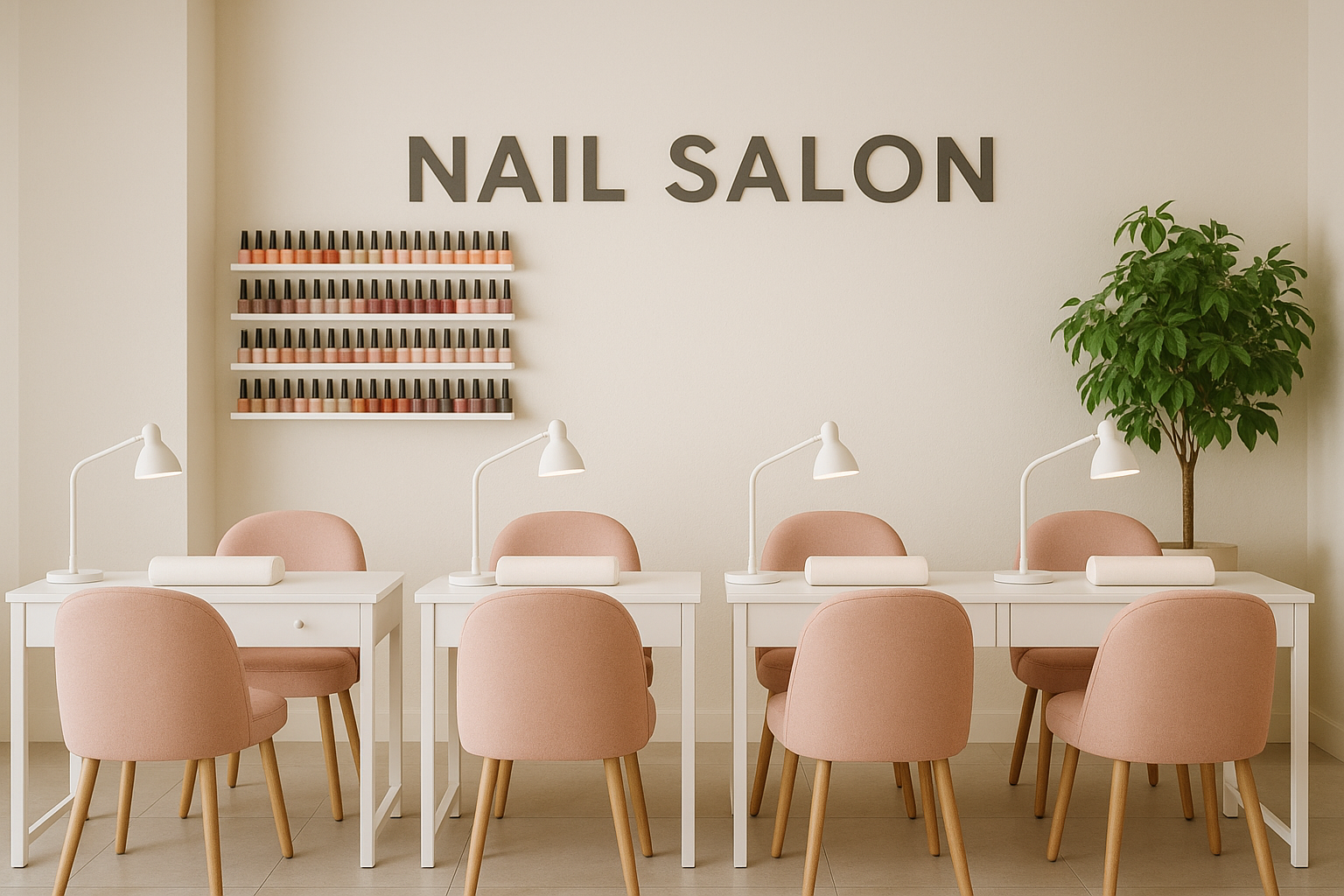
Opening a Nail Salon in Philadelphia
A Comprehensive Guide to Launching Your Beauty Business Successfully
Your Path to Nail Salon Success in the City of Brotherly Love
For entrepreneurs dreaming of opening a nail salon in the bustling city of Philadelphia, a promising market awaits. However, navigating the landscape of city and state regulations, financial planning, and operational setup can be a complex process. This guide provides a comprehensive roadmap, detailing everything you need to know to successfully launch your nail salon business in Philadelphia.
Legal Requirements
Financial Planning
Location & Operations
Staffing
Business Plan
I. Legal and Administrative Framework
Opening a nail salon in Philadelphia requires adherence to regulations at both the municipal and state levels. Meticulous attention to licensing and registration is the first critical step.
A. City of Philadelphia Requirements
- Commercial Activity License (CAL): This is the foundational license for doing business in Philadelphia. All businesses must obtain a CAL from the Department of Licenses and Inspections (L&I). The application is typically submitted online through the city’s eCLIPSE portal. As of late 2024, the fee for a new Commercial Activity License is $300.
- Business Income and Receipts Tax (BIRT) ID: Every business operating in Philadelphia must register for a BIRT ID with the Department of Revenue. This tax is levied on both the gross receipts and taxable net income of your business. Registration can be completed online.
- Zoning Permit and Use Registration Permit: Before signing a lease, ensure your chosen location is in a commercial zone that permits a nail salon. You will need to obtain a Zoning Permit from L&I to confirm that your business type is allowed at your desired address. Following that, a Use Registration Permit is required to legally operate your salon in that space. Zoning permit fees vary, but a basic use permit fee is around $174.
- Certificate of Occupancy: Once renovations are complete and your salon passes all inspections, you will receive a Certificate of Occupancy from L&I, which certifies that the space is safe for public use.
B. Commonwealth of Pennsylvania Requirements
- Salon License from the State Board of Cosmetology: This is mandatory for any establishment providing cosmetology services, including nail technology. The application process involves submitting a detailed floor plan, equipment list, and proof of compliance with safety regulations. The initial application fee is $135.
- Salon Inspection: Before opening, your salon must pass a physical inspection by the State Board of Cosmetology. The inspector will verify that the salon meets all requirements regarding space, ventilation, sanitation, and safety.
- Nail Technician Licenses for Employees: Every individual performing nail services must hold a valid Nail Technician license issued by the Pennsylvania State Board of Cosmetology. To be eligible, individuals must complete at least 200 hours of education from a licensed cosmetology school and pass a state-administered exam.
- Sales Tax License: If you plan to sell retail products, you must obtain a Sales Tax License from the Pennsylvania Department of Revenue to collect and remit state sales tax.
II. Financial Blueprint: Startup Costs and Ongoing Expenses
A solid financial plan is the bedrock of a successful nail salon. A detailed budget will help you secure funding and manage your finances effectively.
A. Estimated Startup Costs
The initial investment for opening a nail salon in Philadelphia can range from $50,000 to over $150,000, depending on size, location, and level of luxury.
| Expense Category | Estimated Cost Range | Notes |
|---|---|---|
| Lease Security Deposit & First Month’s Rent | $5,000 – $15,000+ | Varies significantly based on neighborhood and square footage |
| Renovations & Build-Out | $15,000 – $50,000+ | Includes plumbing, electrical, flooring, painting, and ventilation systems |
| Furniture & Equipment | $10,000 – $40,000+ | Pedicure chairs, manicure stations, drying lamps, autoclaves, etc. |
| Initial Inventory & Supplies | $5,000 – $15,000 | Polishes, gels, acrylics, lotions, files, sanitation supplies, etc. |
| Licenses & Permits | $500 – $1,500 | Includes city and state licensing fees |
| Business Registration & Legal Fees | $500 – $2,000 | For business formation (e.g., LLC) and professional consultations |
| Initial Marketing & Grand Opening | $2,000 – $7,000 | Website, social media campaigns, signage, and promotional events |
| Contingency Fund | $5,000 – $15,000 | To cover unexpected costs |
B. Ongoing Monthly Expenses
- Rent: Commercial rent in Philadelphia varies widely by neighborhood. Expect to pay anywhere from $25 to $50 per square foot per year.
- Utilities: (Electricity, water, gas, internet) – Approximately $500 – $1,000 per month.
- Salaries and Wages: This will be your largest ongoing expense.
- Inventory & Supplies: Ongoing replenishment of nail care products.
- Marketing & Advertising: Budget for continuous promotion to attract and retain clients.
- Insurance: General liability, professional liability, and workers’ compensation.
- Taxes: BIRT, sales tax, and payroll taxes.
- Software: Salon management and booking software.
III. Location and Operations: Setting Up for Success
Your salon’s location and operational efficiency will be key drivers of its success.
A. Choosing a Location
- Neighborhood Demographics: Research neighborhoods that align with your target clientele. Consider foot traffic, visibility, and proximity to complementary businesses. Popular areas include Rittenhouse Square, Old City, Fishtown, and Manayunk.
- Zoning Compliance: Verify the zoning of any potential location before committing to a lease.
- Ventilation: Nail salons in Pennsylvania must have adequate ventilation, including a source capture system at each station capable of exhausting a minimum of 50 cubic feet per minute (CFM) to the outside.
B. Sourcing Supplies and Equipment
Philadelphia has several wholesale beauty supply stores where you can purchase professional-grade products and equipment:
- Phila Nail Wholesale Supply: 6201 N Front St, Philadelphia, PA 19120
- CosmoProf: Multiple locations in the Philadelphia area
- SalonCentric: Multiple locations in the Philadelphia area
C. Insurance Requirements
Protecting your business from potential risks is essential. You will need a comprehensive insurance package that includes:
- General Liability Insurance: Covers bodily injury or property damage that occurs in your salon.
- Professional Liability Insurance (Errors & Omissions): Protects you from claims of negligence or mistakes made during services.
- Workers’ Compensation Insurance: Mandatory in Pennsylvania if you have employees, covering medical expenses and lost wages for work-related injuries.
- Property Insurance: Covers damage to your salon’s building and its contents.
IV. Staffing Your Salon: Building a Talented Team
Your nail technicians are the face of your business. Hiring skilled and licensed professionals is paramount.
A. Hiring Licensed Technicians
- Verify Licenses: Always verify that potential employees have a current and valid Pennsylvania Nail Technician license.
- Skills and Experience: Look for technicians with a strong portfolio of work and positive client reviews.
- Customer Service: Excellent customer service skills are just as important as technical abilities.
B. Understanding Pennsylvania Labor Laws
- Minimum Wage: As of late 2025, Pennsylvania’s minimum wage is $7.25 per hour. For tipped employees, the minimum cash wage is $2.83 per hour, but their total earnings must equal at least $7.25 per hour.
- Tip Pooling: Pennsylvania law allows for mandatory tip pooling among employees who customarily and regularly receive tips.
- Overtime: Non-exempt employees must be paid 1.5 times their regular rate for all hours worked over 40 in a workweek.
V. Business Plan and Market Research: Your Roadmap to Profitability
A well-researched business plan will be your guide for launching and growing your nail salon.
A. Key Components of a Business Plan
- Executive Summary: A brief overview of your business.
- Company Description: Details about your salon’s mission, vision, and legal structure.
- Market Analysis: Research on the Philadelphia nail salon market, your target audience, and competition.
- Services and Pricing: A detailed menu of your services and their corresponding prices.
- Marketing and Sales Strategy: How you will attract and retain customers.
- Management Team: Information about your experience and key team members.
- Financial Projections: Detailed financial forecasts, including startup costs, revenue projections, and profitability analysis.
B. Resources for Philadelphia Entrepreneurs
The City of Philadelphia and various local organizations offer support and resources for small business owners:
- Philadelphia Department of Commerce: Provides guidance and support for businesses in the city.
- The Enterprise Center: Offers business development resources and access to capital.
- SCORE Philadelphia: Provides free mentoring and educational workshops for entrepreneurs.
Opening a nail salon in Philadelphia is a challenging but rewarding venture. By thoroughly understanding and adhering to the legal requirements, carefully planning your finances, and focusing on providing excellent service, you can build a thriving business in this vibrant city.
Instant access to our complete industry analysis.