
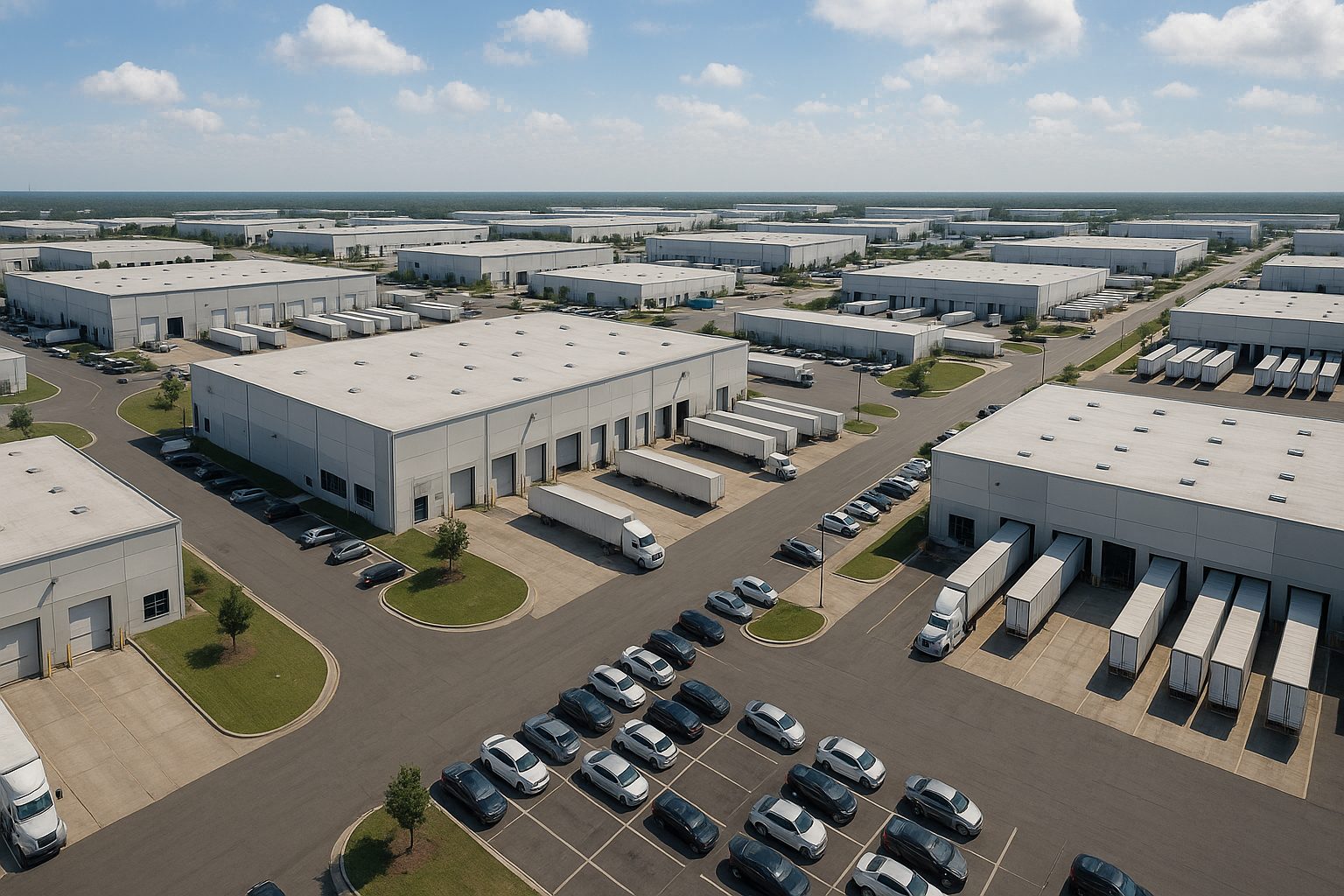
The Power of Proximity: How Modern Industrial Parks Drive Economic Growth and Innovation
Once relegated to the outskirts of cities, industrial parks have evolved from basic factory clusters into dynamic hubs of economic activity, innovation, and strategic investment. Today’s industrial parks are meticulously planned ecosystems where businesses thrive through shared infrastructure, logistical advantages, and collaborative opportunities. But what makes these parks so vital for businesses and communities? And how are they adapting to modern economic and technological demands?
A Brief History: From Factory Estates to Innovation Hubs
The concept of industrial parks dates back to the late 19th century with the establishment of Trafford Park in Manchester (1896), the world’s first planned industrial estate. These early parks were designed to centralize manufacturing, reducing transportation costs and improving efficiency.
The post-World War II era saw a surge in industrial park development, driven by suburban expansion and the need for organized industrial growth. Today, industrial parks are no longer just about manufacturing—they encompass logistics, research & development (R&D), clean energy, and even tech startups. Modern parks are smart, sustainable, and adaptable, designed to meet the evolving needs of Industry 4.0.
Why Industrial Parks Matter: Key Benefits for Businesses and Communities
1. Economic Resilience Through Diversification
Industrial parks house a diverse mix of industries, from advanced manufacturing to warehousing and biotech. This diversification creates a buffer against economic downturns—if one sector struggles, others can sustain the park’s overall performance. For local governments, this means a stable tax base and long-term job creation.
2. Strategic Transportation and Logistics Advantages
Efficient supply chains are critical for modern businesses. Industrial parks are strategically located near:
- Highways & intermodal hubs (for trucking and freight)
- Rail lines & ports (for bulk transport)
- Airports (for high-value or time-sensitive goods)
3. Shared Infrastructure & Cost Efficiency
By clustering businesses, industrial parks enable economies of scale in utilities and services:
- High-capacity power grids (critical for data centers and heavy industries)
- Advanced water & waste management systems
- Shared renewable energy solutions (solar farms, microgrids)
- Broadband & 5G connectivity (for smart factories and IoT applications)
Designing for Success: Covenants, Amenities, and Smart Management
1. Restrictive Covenants: Ensuring Quality & Compatibility
While “restrictive covenants” may sound limiting, they are essential for maintaining a high-quality business environment. These rules govern:
- Architectural standards (consistent aesthetics)
- Noise & emissions controls (preventing conflicts between tenants)
- Zoning for compatible industries (e.g., keeping heavy manufacturing separate from R&D labs)
2. Modern Amenities for a Productive Workforce
Today’s industrial parks go beyond warehouses and loading docks—they offer amenities such as:
- On-site cafés, fitness centers, and childcare facilities
- Conference centers & coworking spaces
- Green spaces & walking trails (improving employee well-being)
- Enhanced security & 24/7 monitoring
Investment Potential: Why Developers and Investors Choose Industrial Parks
1. Higher Initial Costs, But Long-Term Stability
Developing an industrial park requires significant upfront investment in land, infrastructure, and utilities. However, the ability to lease to multiple tenants spreads risk and ensures steady cash flow.
2. Phased Development for Market Adaptability
Many parks use block planning, developing in phases to:
- Test demand before full-scale investment
- Adjust to industry trends (e.g., more warehouse space for e-commerce)
- Maintain flexibility for future tech advancements
Conclusion: Industrial Parks as Engines of the Future Economy
Modern industrial parks are no longer just places for factories—they are integrated ecosystems that drive innovation, efficiency, and economic growth. By offering strategic locations, shared resources, and smart infrastructure, they provide unparalleled value to businesses, investors, and communities.
As global supply chains evolve and sustainability becomes a priority, industrial parks will continue to adapt—becoming smarter, greener, and more interconnected than ever before. For cities and businesses alike, investing in these hubs is not just an economic decision but a strategic imperative for future success.